



A few years ago, I stumbled across a website that looked beautiful but left me completely confused. Buttons were hidden, menus overlapped, and I couldn’t complete even a simple task. I remember thinking, “How can something so pretty be so frustrating to use?” That single experience sparked a curiosity in me that eventually led me down the path of UX design and changed the way I see the digital world.
At first, I had no idea what UX even meant. I thought design was all about visuals: fonts, colors, layouts. But the more I read, the more I realized that UX design is about people. It’s about how things work, how they feel, and how easily someone can use them without getting lost or frustrated. I began to understand that good UX is invisible. You only notice it when it’s missing.
I started learning on my own, watching YouTube videos, taking online courses, reading books like The Design of Everyday Things and Don’t Make Me Think. I was surprised by how deep UX goes: user research, empathy mapping, prototyping, testing, iteration. It felt like detective work mixed with psychology, design, and storytelling. I loved it.
My First Design
Eventually, I got hands-on. I redesigned an app I used every day, just as practice. I sketched wireframes in a notebook, tried out Figma and Adobe XD, and joined design communities online. I posted my work and asked for feedback, even when I wasn’t sure what I was doing. Every bit of advice helped me get better. Slowly, I built a small portfolio of case studies, not just pretty screens, but stories about real problems and how I tried to solve them.
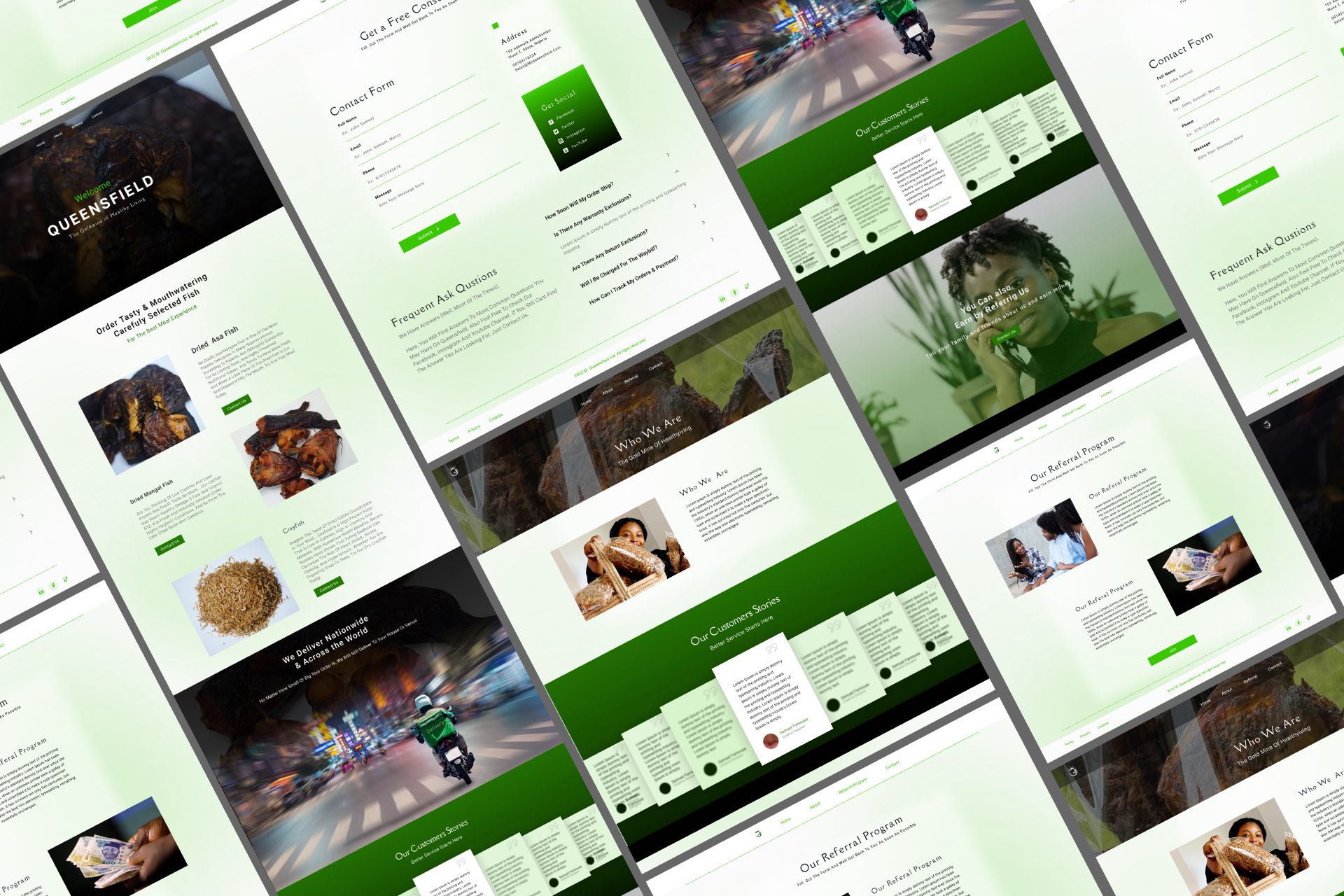
I started applying for small freelance gigs and even offered to redesign a local fish seller’s website for free. These projects taught me how to work with clients, listen carefully, and adjust when things didn’t go as planned. It wasn’t always smooth, but it was always worth it. Each experience helped me grow.
Becoming a UX designer wasn’t a straight line. It took time, patience, and lots of practice. But looking back, I realize the most important thing I did was keep showing up; learning a little more every day, staying curious, and caring about the people behind the screens.
UX design is about people. And that means there’s a place in it for anyone who cares enough to listen, learn, and create with purpose.
If you’re just starting out, know this: you don’t need to be perfect. You don’t need to have a design degree. What you need is a desire to make things better, one experience at a time. UX design is about people. And that means there’s a place in it for anyone who cares enough to listen, learn, and create with purpose.
Leave a Comment: