


Progressive UX design is all about creating digital experiences that can adapt and improve over time. Instead of designing something that feels “finished” on day one and then leaving it unchanged, progressive design focuses on gradual improvement based on user needs, feedback, and technology advancements. This way, a product stays relevant, useful, and enjoyable as time goes on.
The key idea is to start with a strong, usable foundation and then add more features or improvements step by step. This makes the design process flexible and responsive. It also means that users can benefit from the product right away, while still getting better experiences in the future. For example, an app might launch with its core features, then later add personalisation, accessibility upgrades, or new tools as users’ needs evolve.
One major benefit of progressive UX design is that it keeps users engaged. People appreciate when a product they use regularly continues to improve and offer new value. Regular updates can create a sense of trust because users know the team behind the product is listening to feedback and working to make things better.
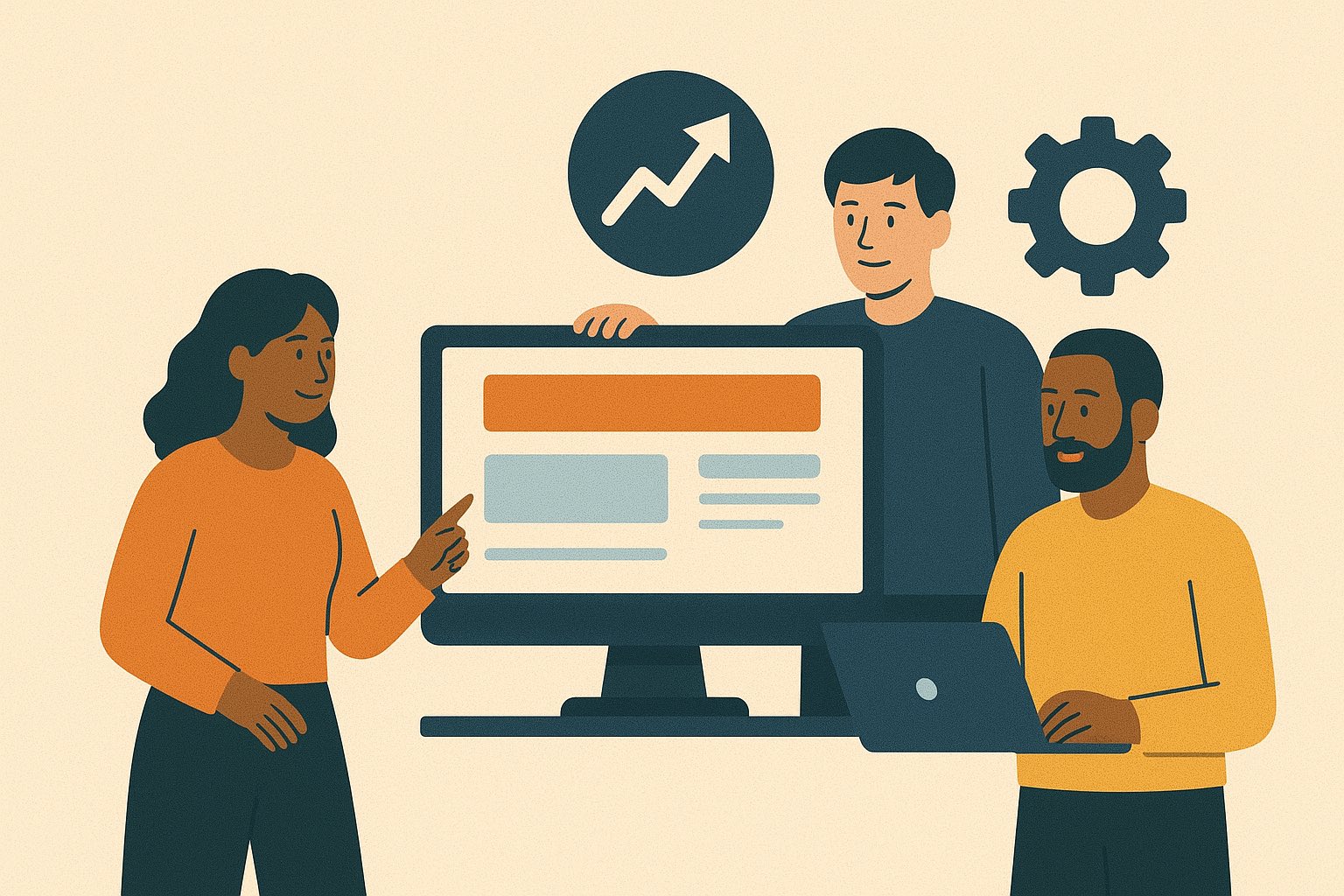
Progressive design is also a great way to manage resources effectively. Instead of trying to build every possible feature before launch, teams can focus on the most important parts first. This not only speeds up delivery but also allows for testing and learning from real-world use before investing in more complex features.
Another important aspect is inclusivity. Progressive UX design often follows a principle similar to progressive enhancement in web development, making sure the basic experience works for everyone, even on older devices or slower internet connections. Then, richer and more advanced features can be offered to users with modern devices or faster connections. This ensures no one is left behind while still embracing innovation.
Progressive UX design isn’t just about meeting current needs; it’s about creating experiences that grow with your users.
Leave a Comment: